

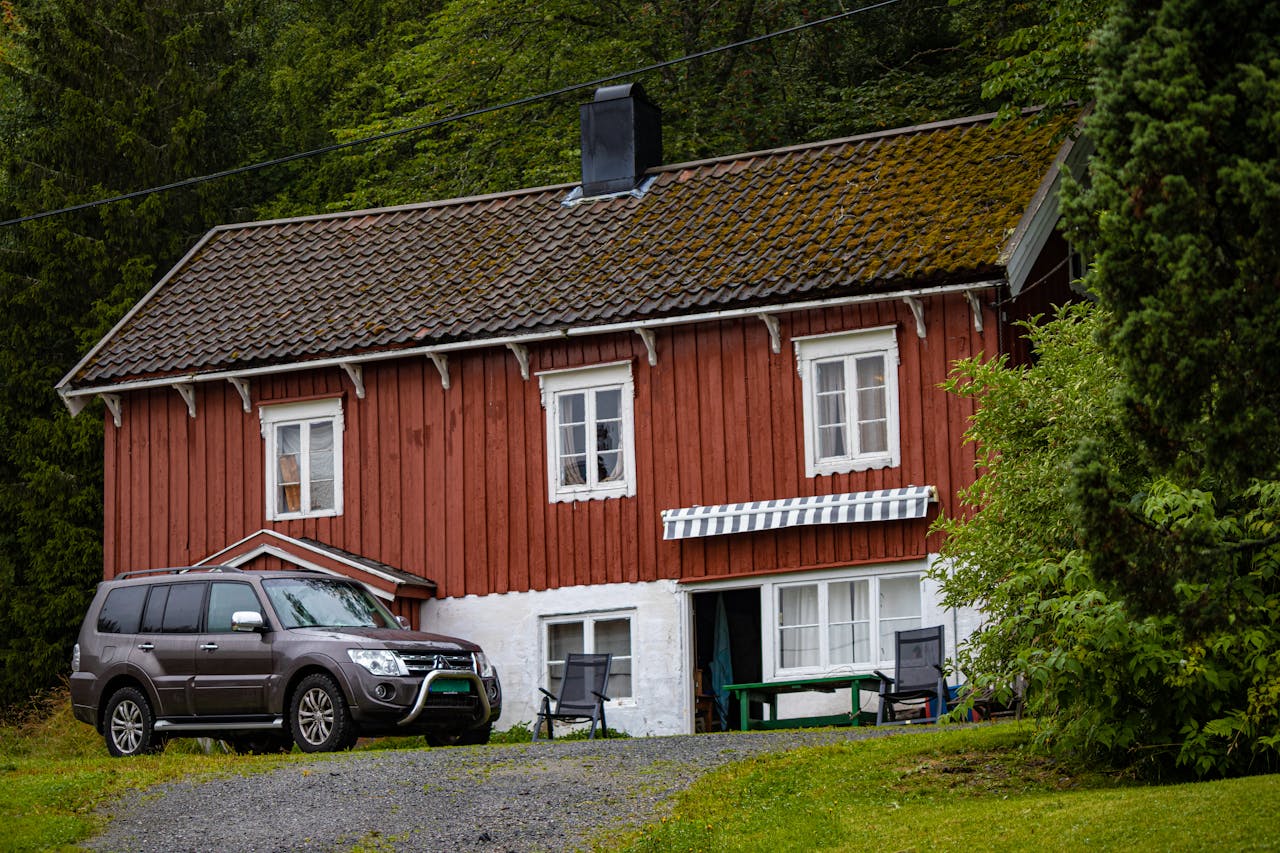
Buying a second home is no longer a niche move reserved for the ultra-wealthy.
Across the UK, more people are weighing up holiday homes, rental properties,
and long-term investment purchases. In fact, second-home ownership has risen
sharply in recent years, driven by lifestyle changes, flexible working, and a
growing appetite for property as a stable investment.
But before you start browsing coastal cottages or city apartments, it’s worth
pausing. Buying a second home is a very different financial decision from
buying your first. There are higher taxes, stricter mortgage rules, and ongoing
costs that can catch buyers off guard. This guide walks you through the
realities, helping you decide whether it’s right for you and how to protect your
investment properly.
Understanding the Basics of Buying a Second Home
A second home is any residential property you own that isn’t your main
residence. That could be a weekend retreat, a holiday let, or a property bought
purely for rental income. It still counts as a second home even if your first
property is overseas or jointly owned.
Second-home ownership in England has grown significantly. According to the
English Housing Survey, around 809,000 second homes were owned by
households in 2021–22, rising 13% from 2010–11. More recent figures suggest a
surge to 4.3 million households owning second properties by 2022–23, an
increase of one million in just a year. Ownership is most common in London
(23%) and the South East (26%), particularly among outright homeowners and
people aged 55–64.
This growth shows clear demand, but it also explains why regulation and tax
rules have tightened.
Is It Worth Buying a Second Home?
The honest answer: it depends. For some, a second home offers flexibility, longterm value, and rental income. For others, the costs outweigh the benefits.
Potential Benefits
A second home can generate income if rented out, particularly in high-demand
holiday or commuter areas. Over time, property values tend to rise, making it a
popular choice for diversification away from pensions or investments tied to
market volatility. There’s also the lifestyle angle. Having a place that’s always
yours, ready for weekends or retirement plans.
Potential Downsides
Upfront costs are high. Deposits are larger, stamp duty is higher, and mortgage
rates are often less competitive. Ongoing costs also add up quickly, with
maintenance, insurance, utilities, council tax, and letting fees if you rent it out. If
you need quick access to cash, property can also be slow to sell.
When people ask is it worth buying a second home, the best approach is to view it
as a long-term commitment rather than a quick win.
Tax Implications of Buying a Second Home in the UK
Understanding the tax implications of buying a second home in the UK is
essential before committing.
Stamp Duty Land Tax (SDLT)
Second homes in England and Northern Ireland attract a 5% surcharge on top
of standard SDLT rates. For example, properties up to £125,000 incur 5% SDLT,
while portions between £250,001 and £925,000 are taxed at 10%. Higher bands
rise further. Scotland and Wales use different systems (LBTT and LTT), with their
own thresholds.
If you sell your previous main residence within three years, you may be able to
reclaim the surcharge.
Council Tax
Second homes are subject to full council tax, and from April 2025, many
councils can apply a 100% premium, effectively doubling the bill. Rules vary by
local authority, so checking before you buy is crucial.
Income Tax and Capital Gains Tax
Rental income is taxed at your usual income tax rate, with deductions allowed
for expenses and a 20% mortgage interest credit. When selling, Capital Gains
Tax applies at 18% or 24% after the annual allowance. These tax implications
when buying a second home can significantly affect profitability.
How to Buy a Second Home to Rent Out
If you’re asking how do you buy a second home to rent out, planning is everything.
Financial Preparation
Lenders usually require 15–25% deposits, sometimes more. Affordability checks
are stricter, and rental income must be declared. Many buyers use equity from
their main home, but stress tests ensure you can manage both properties if
rental income drops.
Mortgage Options
Residential mortgages suit personal use, while buy-to-let mortgages apply for
long-term rentals. Buy-to-let loans typically require rental income to cover
around 125% of repayments. Interest rates and fees are higher, so specialist
advice helps.
Buying a Second Home as an Investment Property
Buying a second home as an investment property means thinking like a
landlord. Location matters more than emotion. High-demand rental areas near
transport links, employment hubs, or tourist hotspots tend to perform best.
Maintenance costs often run at 2–4% of property value per year, and void
periods should always be factored in. Regulations around short-term lets vary
widely, so check licensing and planning rules before exchanging contracts.
Second Home Costs at a Glance
| Cost Area | What to Expect |
| Deposit | 15–40% depending on lender |
| Stamp Duty | 5% surcharge on standard rates |
| Mortgage Rates | Typically higher than main residence |
| Insurance | Specialist second home insurance required |
| Ongoing Costs | Maintenance, council tax, utilities |
Why Second Home Insurance Matters
Second Home Insurance is designed for properties you don’t live in full-time.
Standard home insurance often falls short once a property is left empty or used
by guests.
Empty homes are more vulnerable to theft, leaks, and storm damage that goes
unnoticed. If friends, family, or paying guests stay, liability risks increase.
Specialist cover reflects these realities.
What’s Typically Covered
Most policies include buildings and contents cover, public and personal liability
(often up to £5 million), fire, water and storm damage, and alternative
accommodation if the property becomes uninhabitable. Optional extras can
include accidental damage, legal expenses, and cover for malicious damage by
tenants.
Wear-and-tear, poor maintenance, and deliberate damage are usually excluded;
another reason specialist advice matters.
You can learn more about insurance on second home cover here.
Why Choose Policy Powerhouse?
With over 30 years of experience, Policy Powerhouse specialises in nonstandard and hard-to-place property insurance. That includes second homes, holiday lets, and properties that don’t fit neat categories.
Cover is tailored, not templated. Quotes are quick, backed by trusted UK insurers, and supported by people who understand the risks, not just the paperwork. The result is protection that works in the real world, not just on paper.
Common Mistakes to Avoid When Buying a Second Home
One of the biggest mistakes buyers make is underestimating total costs. Mortgage payments are only part of the picture. Maintenance, insurance, tax, and compliance costs can quickly add up.
Another common error is assuming renting will be straightforward. Local authorities and homeowners’ associations can restrict short-term lets, and breaching rules can be costly. Always check before you buy.
Conclusion: Making an Informed Decision About Your Second Home
Buying a second home can be rewarding, practical, and financially sound, but only with the right planning. Understanding the tax implications of buying a second home, securing suitable finance, and protecting the property properly are all essential steps.
With specialist advice and the right secondary home insurance in place, a second home can be an asset rather than a burden. And when your property doesn’t fit the standard mould, working with experts who understand that difference makes all the difference.